The Pixel 10a on the left vs the Pixel 9 on the right. | Images by Google
Pixel 10a vs Pixel 9 differences:
| Pixel 10a | Pixel 9 |
|---|---|
| Plastic composite back, aluminum frame | Glass back, aluminum frame |
| Google Tensor G4 | Google Tensor G4 |
| 8 GB RAM | 12 GB RAM |
| 6.3″ OLED, 60–120Hz | 6.3″ OLED, 1–120Hz |
| Gorilla Glass 7i | Gorilla Glass Victus 2 |
| 3,000 nits peak brightness | 2,700 nits peak brightness |
| 48 MP main + 13 MP ultra-wide | 50 MP main + 48 MP ultra-wide |
| 5,100 mAh battery | 4,700 mAh battery |
| 45W wired charging | 27W wired charging |
| 10W wireless Qi | 15W wireless |
| IP68 dust and water resistance | IP68 dust and water resistance |
| Satellite SOS | Satellite SOS |
| $499 | $799 at launch (often discounted/refurbished) |
Table of Contents:
Design and Size
Pixel 10a is almost the same size but lighter
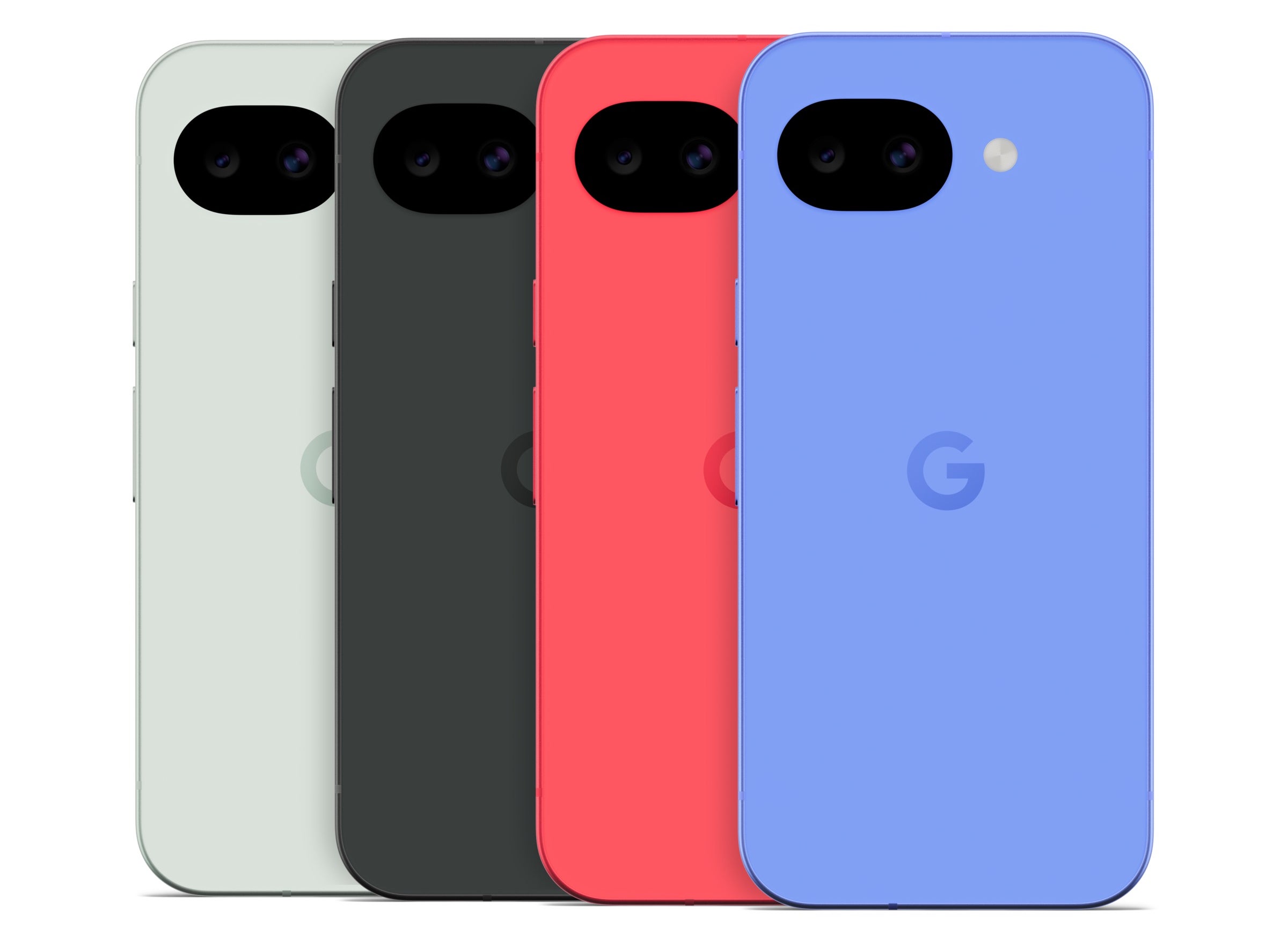
All Google Pixel 10a colors | Image by Google
Both devices are rated IP68 for dust and water resistance, which is more impressive for a mid-range device like the Pixel 10a.
| Pixel 10a | Pixel 9 |
|---|---|
| Thickness 9.0 mm |
Thickness 8.9 mm |
| Dimensions 153.9 x 73.0 mm |
Dimensions 152.8 x 72 mm |
| Weight 183 grams |
Weight 198 grams |
On the front, the Pixel 10a now comes with Gorilla Glass 7i, a meaningful improvement over the Gorilla Glass 3 used on the 9a—it is more resistant to scratches and drop damage. That said, it still can’t match the Gorilla Glass Victus 2 on the Pixel 9 in terms of durability.
Display differences
The Pixel 10a actually comes ahead of the Pixel 9 in brightness, though. It can reach up to 3,000 nits of peak brightness, compared to the Pixel 9’s 2,700 nits. That makes it roughly 11 percent brighter than the Pixel 9a and officially brighter than the Pixel 9 as well. That said, the law of diminishing returns definitely comes into play when discussing display brightness, so the visible difference in real life probably won’t be as staggering as the numbers suggest.
| Pixel 10a | Pixel 9 |
|---|---|
| Size 6.3″ |
Size 6.3″ |
| Brightness 3000 nits (peak) |
Brightness 2700 nits (peak) |
Besides having some of the brightest displays, Google’s recent Pixel phones also come with impeccable color accuracy, and I expect both phones will be matched as far as that goes.
Design-wise, the Pixel 9 benefits from slimmer bezels, which add to its more premium status. As for biometrics, they are similar, with both devices using an optical in-display fingerprint scanner and secure face unlock.
Performance and Software
Same chip, different headroom
Before Google’s announcement of the Pixel 10a, there was some mixed information about the chip that will be powering it. Now we know that, just like the Pixel 9, it the 10a comes with the Tensor G4, built on a 4 nm process.
Based on that, I expect performance between these two to feel relatively identical.
If there is any noticeable difference in how they perform, it will likely be due to their memory. The Pixel 10a ships with 8 GB of RAM, while the Pixel 9 comes with 12 GB. That extra RAM provides more headroom for multitasking, background app activity, and future AI features. Over time, this could give the Pixel 9 an advantage.
| Pixel 10a | Pixel 9 |
|---|---|
| Chip Google Tensor G4 |
Chip Google Tensor G4 |
| Process 4 nm |
Process 4 nm |
| RAM, Storage 8/128 GB 8/256 GB LPDDR5X RAM |
RAM, Storage 12/128 GB 12/256 GB LPDDR5X RAM |
A major addition on the Pixel 10a is Satellite SOS support. That feature was absent on previous “a” models and brings the 10a closer to the emergency capabilities that flagship phones offer.
Camera
The gap in camera hardware remains the same
The Pixel 10a uses a 48 MP main camera with a 1/2.0-inch sensor and a 13 MP ultra-wide camera. The Pixel 9 uses a 50 MP main camera with a much larger 1/1.31-inch sensor and a 48 MP ultra-wide camera.
That difference in sensor size will help the Pixel 9 capture more light, which in turn will likely result in better low-light photos and video and improved dynamic range in high-contrast scenarios. Outside of those more challenging circumstances, though, I expect there would be little visible difference in image quality, just like in our comparisons between previous generations of both models.
| Pixel 10a | Pixel 9 |
|---|---|
| Main 48 MP, f/1.7 25 mm 1/2.0″ sensor size |
Main 50 MP, f/1.7 24 mm 1/1.31″ sensor size |
| Ultra-wide 13 MP, f/2.2 120° FOV 1/3.1″ sensor size |
Ultra-wide 48 MP, f/1.7 123° FOV 1/2.55″ sensor size |
| Front 13 MP, f/2.2 20 mm 1/3.1″ sensor size |
Front 10.5 MP, f/2.2 20 mm 1/3.1″ sensor size |
One other area where the Pixel 9 has an advantage is video recording. Particularly when it comes to HDR and stabilization. Still, the Pixel 10a remains strong for its class.
Battery Life and Charging
Pixel 10a will likely have better battery life and maybe support PixelSnap
The Pixel 10a includes a 5,100 mAh battery, while the Pixel 9 has 4,700 mAh. That is the same difference in battery capacity that the Pixel 9a had with the Pixel 9, which helped it get around an hour more of estimated battery life in our tests. Given that the chipset hasn’t changed, it’s safe to assume that this difference will remain the same.
| Pixel 10a | Pixel 9 |
|---|---|
| Battery size 5,100 mAh |
Battery size 4,700 mAh |
|
Charging speeds 7.5W wireless charging USB-C 3.2 |
Charging speeds 27W wired 15W wireless charging USB-C 3.2 |
Charging is a different matter, though. The 10a supports 45 W wired charging, compared to 27 W on the Pixel 9. This is a massive increase that will dramatically reduce the charging time. Wireless charging on the Pixel 10a has also been slightly increased to 10 W vs 7.5 W on the predecessor (no PixelSnap), while the Pixel 9 supports 15 W wireless charging.
Specs Comparison
| Google Pixel 10a | Google Pixel 9 |
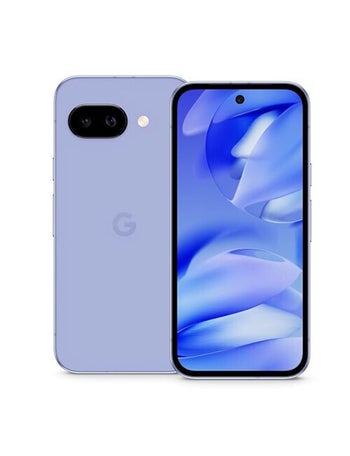
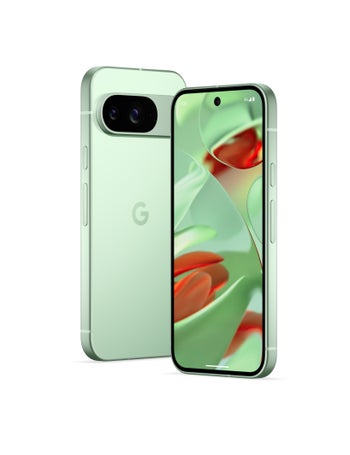
| Dimensions | |
|---|---|
| 152.8 x 72.0 x 8.5 mm (~12 mm with camera bump) | |
| Weight | |
| 198.0 g | |
| Size | |
|---|---|
| 6.3-inch | 6.3-inch |
| Type | |
| P-OLED, 120Hz | OLED, 120Hz |
| System chip | |
|---|---|
| Google Tensor G4 (4 nm) | Google Tensor G4 (4 nm) |
| Memory | |
| 8GB (LPDDR5X)/128GB (UFS 3.1) 8GB/256GB |
12GB (LPDDR5X)/128GB 12GB/256GB |
| Type | |
|---|---|
| 5100 mAh | 4700 mAh |
| Charge speed | |
| Wired: 23.0W Wireless: 7.5W |
Wired: 27.0W Wireless: 15.0W |
| Main camera | |
|---|---|
| 48 MP (OIS, PDAF) Aperture size: F1.7 Focal length: 25 mm Sensor size: 1/2″ Pixel size: 0.8 μm |
50 MP Sensor name: Samsung GNK Aperture size: F1.7 Focal length: 25 mm Sensor size: 1/1.31″ Pixel size: 1.12 μm |
| Second camera | |
| 13 MP (Ultra-wide) Aperture size: F2.2 Sensor size: 1/3.1″ Pixel size: 1.12 μm |
48 MP (Ultra-wide) Sensor name: Sony IMX858 Aperture size: F1.7 Sensor size: 1/2.55″ |
| Front | |
| 13 MP | 10.5 MP |
Google Pixel 10a vs Google Pixel 9 specs comparison
or compare them to other phones using our
Phone Comparison tool
Summary
The Pixel 9‘s advantages are its build quality, RAM, and camera hardware. Frankly, the only argument I see for the Pixel 9 is the camera performance. Of course, we also need to consider the price. If you can’t find the Pixel 9 for roughly $500, then I wouldn’t recommend purchasing it. I’d give that $500 for the longer battery life and faster charging of the 10a.
Trending Products

Video Conference Lighting Kit, Ring...
15W LED Video Light Kit
Desk Ring Light for Zoom Meetings &...
SAMHOUSING Ipad Tripod Stand, with ...
LISEN Tablet Stand
LanPavilion iPad Stand, Adjustable ...

DJI Osmo Mobile SE, 3-Axis Phone Gi...
2pcs Original Joystick Parts for Zh...
hohem iSteady M7 Gimbal