Introduction – A New Era of Workplaces
One of the most significant changes expected in 2026 will be the way people work. This year marks a shift toward human-centred, fluid workplaces rather than traditional offices. This is where coworking offices emerge as the preferred option for businesses. According to a report by SNS Insider, the coworking sector is projected to reach USD 58.37 billion by 2033. Let’s understand this in more detail.
Rise of Hybrid and Flexible Work Models
The growing adoption of remote and hybrid work models is increasing the demand for flexible workspace solutions. This is where managed offices and coworking spaces play a crucial role by offering flexible, work-oriented, non-committal leasing models that eliminate the constraints of long-term office commitments. According to a JLL report, the flex office space leasing market in India recorded 15.3 million sq ft in 2025.
Cost-Efficient and Scalable Solutions for Businesses
The coworking office space eliminates upfront capital expenses such as building rent, utilities, interior design, and maintenance, which are typically substantial in a traditional office. This allows companies to operate in a professional environment at a significantly lower and more predictable cost, making flex offices an effective and smart alternative to conventional offices. Additionally, these offices allow businesses to expand or downsize seamlessly across multiple cities without operational complexities.
Instead of investing in a traditional office, companies can move into fully Coworking Spaces in Hyderabad that provide access to professional, ready-to-use workstations, meeting rooms, and administrative support, making this model well-suited for businesses of all sizes- from startups and SMEs, to large enterprise teams. These office spaces provide businesses the agility needed to scale, the ecosystem and networking opportunities to expand, and the possibility for larger firms to test new markets and expand into multiple cities without any downtime or long-term commitments.
Coworking as a Hub for Innovation and Networking
Professionals from diverse backgrounds come together under one roof in a thoughtfully designed coworking environment. These spaces provide an ecosystem where entrepreneurs, freelancers, large corporate teams, and startups can collaborate, making it easier to exchange ideas and generate new business opportunities. Coworking spaces also encourage skill exchange, regular events, and informal interactions, creating new opportunities for networking, mentorship, and access to valuable business resources.
Tech-Driven Work Environments
Coworking spaces offer smart meeting rooms, high-speed internet and secure digital access systems that support modern ways of working. These technology-enabled features streamline daily operations, simplify hybrid meetings, and enable seamless collaboration between remote and in-office teams. By integrating technology into the workspace, coworking environments help businesses work more efficiently, improve productivity, and stay connected in a digitally driven work culture.
Sustainable and Eco-Friendly Spaces
Green buildings and resource-efficient designs are gaining more importance in today’s business world. Coworking office spaces offer a practical approach to sustainability by promoting shared resources and reducing overall environmental impact. These spaces support corporate sustainability initiatives and align with ESG goals. By optimising energy usage and minimising waste, coworking environments help businesses operate more responsibly without compromising efficiency.
Ideal for Future Workforce
The future generation – Gen Z and Gen Alpha prefer flexible, purpose-driven, and socially engaging workspaces. A coworking space naturally aligns with these expectations by fostering collaboration, autonomy, and a sense of community, which are increasingly important to younger professionals. These elements resonate deeply with younger professionals, who value meaningful interactions, adaptability, and workplaces that support both personal growth and professional connection.
Why the Numbers Support 2026 as the Breakout Year
As per a report by JLL, coworking business center leasing is already gaining momentum, with 15.3 million sq ft leased in India in 2025, accounting for nearly 20% of total office leasing. Additionally, ICRA projects that coworking supply will grow from 80 million sq ft in December 2024 to 125 million sq ft by March 2027.ICRA also projected a CAGR of 21-22% for flex workspace supply in India between FY25 and FY27. These figures clearly indicate that flexible and coworking spaces are transitioning from an alternative option to a core component of India’s office real estate landscape.
Why iKeva Leads the Coworking Movement in 2026
iKeva offers member-centric designs focused on productivity, comfort, and accessibility. With community-driven activities and engagement programs, transparent pricing and flexible workstation options across prime locations, iKeva delivers a well-rounded coworking experience for businesses of all sizes.
Conclusion
It is expected that coworking will emerge as one of the dominant workplace models by 2026. These agile, human-centred, and community-driven workspaces will play a defining role in shaping the future of work. As businesses increasingly prioritise flexibility, employee experience, and operational efficiency, coworking spaces will become a core component of long-term workplace strategies. With providers like iKeva, businesses can adopt this transition seamlessly and with ease and continue to grow and cope with the ever-evolving business landscape in India.
Trending Products

Video Conference Lighting Kit, Ring...
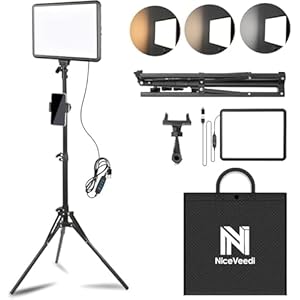
15W LED Video Light Kit
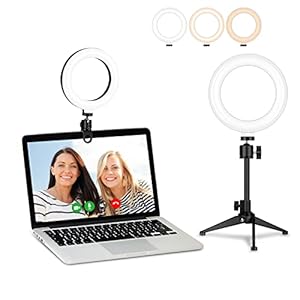
Desk Ring Light for Zoom Meetings &...
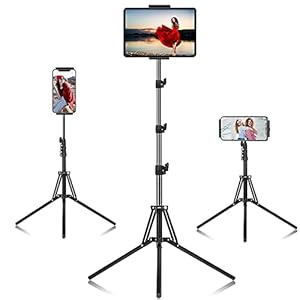
SAMHOUSING Ipad Tripod Stand, with ...
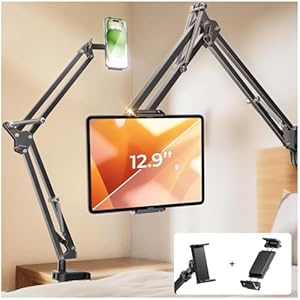
LISEN Tablet Stand
LanPavilion iPad Stand, Adjustable ...

DJI Osmo Mobile SE, 3-Axis Phone Gi...

2pcs Original Joystick Parts for Zh...

hohem iSteady M7 Gimbal